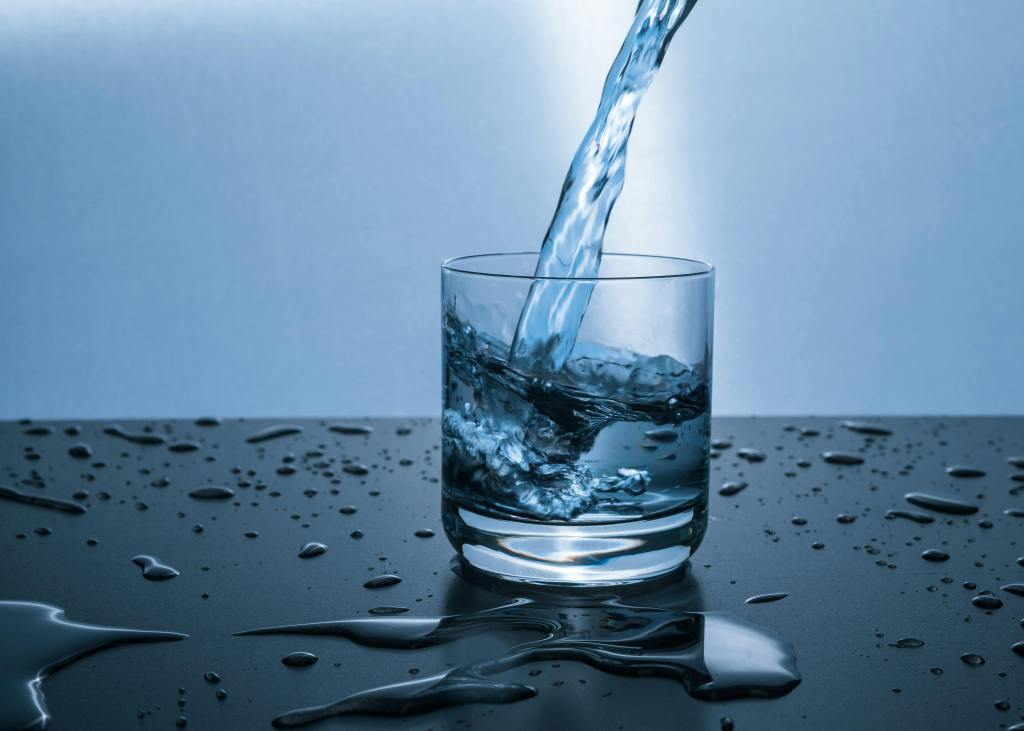
Drink more water!
How often have you heard this? Maybe often enough to be tired of hearing it. In this case, the last thing you want me to say to you is Drink more water!
And I promise, I won´t tell you what to do or what to drink – I don’t believe in telling people what to do. However, I strongly believe in sharing knowledge crucial to everybody´s health and well-being. This way you can decide for yourself what to do with that information.
As temperatures here in the Yucatán climb up to 45 degrees Celsius without any rain in sight, I felt called to introduce myself as a Precision Nutrition certified coach by writing this post about 5 things you probably didn’t know about fluids in your body.
So here it goes:
1) Minor dehydration will put increased strain on your heart (and you won’t even notice it)
According to Kristina Borseti, CEO of And Then, Be Well, –
Dehydration can mean fatigue, dizziness, low blood pressure, nausea, rapid heart rate, fainting, and flushing. We don’t realize we are dehydrated until we are at about a 1-2% loss. Therefore, it is important to be proactive in our hydration.
In other words, while thirst is a good guide and will tell you when to hydrate, once you are thirsty, you already experience mild dehydration because thirst is triggered by hormones that get released when the body notices sodium levels go up (water in the body is low resulting in higher salt concentration).
Did you know that you will start to feel the effects of dehydration at only 0.5% of dehydration?
If you´re 10-20% dehydrated chances are you won’t be reading this as you are no longer amongst the living and don´t have to care about hydration or drinking more water anymore
Following is a chart that shows percentages of body water loss and consequences:

The data from this chart are taken from PN Precision Nutrition, one of the leading certifying bodies for nutrition coaches in the US (I´m a PN graduate and let me tell you, their teachings are amazing!)
2) Good hydration habits go far beyond quenching your thirst
If you´re one of those who need to always know why (like me), you will appreciate the following short outline of the major reasons why your body needs water to function.
While there are obvious reason why we need to hydrate that don’t need much explanation (like fluid loss through peeing and pooping, or sweating, especially during exercise or in hot weather), there are a few very important jobs water has to do in order to keep our system running and us healthy and able to move pain free.
- Water as a solvent
A solvent is a substance that dissolves another substance. Water in your body dissolves salts and minerals (electrolytes), nutrients, and hormones. These are transported through the bloodstream and distributed to tissues, organs, and cells in your body. Water therefore also acts as a catalyst for many chemical processes in the human body. Without water nutrient transport is impossible, and our cells would not be able to function and carry out the chemical reactions (like for example, energy production) they are dedicated to.
- Respiration
Apart from the fact that water is needed to transport oxygen to your lungs, airway tissues are lined with moist tissue (mucus). Everytime you breathe out, moisture is released from those tissues. So yes, drinking more water is literally going to help you breathe!
- Lubricant
Water acting as a buffer is probably most obvious in amniotic fluid which protects the fetus from getting bumped against his mothers bones and tissues. With this picture in mind, think about your joints. If you ever slipped on a wet floor, you will know that water is an excellent lubricant. Water lubricates joints and acts as a shock absorber for the eyes and spinal cord.
- Source of minerals
Water in any form (seawater as well as fresh water) contains many dissolved minerals.
Bottled drinking water is processed in order to remove pollutants and then fluoride and minerals are added. Depending on the brand, different minerals are added.
Water is therefore an irreplaceable source of minerals and substances crucial for all of our bodily functions and chemical processes.
3) The real danger of drinking too much
Ever heard of that woman who died from drinking too much water during a water drinking contest? – Yeah, it really happened
But before you put down that glass of water in a paranoid attempt to stop yourself from overhydration, let me put your mind at ease.
While it´s possible (and proven) that you can potentially die from drinking too much, the chance is pretty unlikely unless you try to do it on purpose or have an underlying medical condition that causes you to suffer from unquenchable thirst all the time. In the latter case you should seek medical advice, in the former case, well, I don’t know what to tell you, except please stop.
The medical term for too much water in your system is Hyponatremia and can happen if you gobble down too much water too quickly after you run a marathon.
(I’m assuming you are not getting waterboarded regularly or on purpose testing your heart’s ability to survive low sodium and potassium levels.)
Hyponatremia happens when your elevated water levels dilute the electrolyte sodium in your body and therefore throw off the electrolyte concentration within and outside your cells.
In very extreme cases, this can lead to your heart simply failing and can be fatal. However, as I said, this is not something that happens by accident in us ‘normal’ people.
This being said, if you are an athlete, you might want to drink an electrolyte solution after an intense workout session to avoid potential issues of overhydration.
4) You most probably don’t need electrolyte drinks (and therefore should not consume them on a regular)
Electrolytes are dissolved mineral salts that carry an electrical charge and include sodium, potassium, chloride, magnesium, calcium, phosphate, and bicarbonates.
For the purpose of hydration sodium and potassium are the key players in maintaining fluid balance.
While potassium helps maintain normal levels of fluid inside our cells, sodium regulates normal fluid levels outside of cells
When we sweat a lot, especially during exercise or extreme hot weather conditions, we lose both water and salts, however, we lose more water than salts.
So unless you are an athlete, you should be fine replacing fluids with plain water. Water is enough even if you exercise moderately and if exercise bouts are short and not very intense.
However, if your exercise routine is intense or long (over an hour) and you have to replace a lot of fluid, consider an electrolyte solution (a sports drink or Pedialyte) instead of plain water.
This being said, sports drinks and electrolyte solutions are not something you should be drinking on a daily basis because sodium and potassium are toxic when overdosed and can lead to serious medical conditions over time.
We can easily get all our electrolyte needs from a balanced diet rich in whole foods and low in processed foods. Fresh fruit and vegetables contain electrolytes as well as water, and if you feel you need a little boost after exercising, you can also get an extra bit of electrolytes by replacing some water with coconut or cactus water, or just plain (unsweetened) milk. This will help replenish both minerals and vitamins without the danger of overdosing on electrolytes or consuming high doses of carbs that usually comes with a sports drink.
5) Weird ways of easily checking your hydration levels
- Your pee
If you feel weird examining your pee color after going to the bathroom, you are the healthy kind of weird.
Your pee should be a straw-golden shade of yellow. It it’s dark gold or even brown, you´re dehydrated. Remember, the water in the toilet dilutes the color of your pee, so if it’s completely transparent, you might be a bit high on water.
- Your skin
If you pull up the skin on the top of your hand, it should bounce back immediately. If the skin fold stays up, you are dehydrated!
Pro-Tip on forming a magickal connection:
As with all else in life, balance is key. We all have intuition which helps us detect imbalances at all levels of our being. Hydration is just one (obvious) example of how important it is to learn to listen and understand the signals our body sends us.
How do you feel? Are you tired because your body’s water level dropped ever so slightly, or are you mentally exhausted?
If you take a minute to listen, your body will tell you exactly what it is you need.
So why not start today? Learning to interpret your body’s cues and intuition is forming a magickal connection in practice!
This being said, if you struggle with healthy hydration and diet habits, want to lose or gain weight, or simply improve your well-being, reach out so that we can discuss your needs.
magickalconnections@gmail.com or WhatsApp +529992765312
If you´re not ready yet to commit to making a few changes, email me for a free copy of my informative PDF about maintaining the crucial fluid and electrolyte balance in your body.
With all my love,
Wanda
PN certified Nutrition Coach

 magickalconnections
Leave a comment